Future-oriented and high-quality education in disaster-prone areas of Bangladesh (SWAPNO).
 Taposh Kumar Biswas
Project Period: 1.3.2022 – 31.12.2025
Jointly Funded by: BMZ and NETZ Bangladesh
Implementing Partners: GUK, AT & JCF
Working area: Gaibandha, Kushtia, Nilphamari, Rangpur
Objective of the project: School staff, civil society, and public authorities are strengthened to provide quality primary education and to promote disaster preparedness in 4 districts of Bangladesh.
Background of the project:
The programme regions have low primary and secondary school completion rates by national standards. Human rights violations, including child marriages, the high poverty rate, and low level of education are mutually dependent. In particular, there are major problems here with regard to school access for all children and the quality of teaching, which for a long time has been treated as a secondary issue with a view to achieving quantitative targets. NETZ and AT have been cooperating in the education sector since 2008. Since then, AT’s education experts have made important contributions in the context of conceptual development, monitoring, and evaluation of several NETZ primary education programmes (funded by BMZ and the EU). An important focus was and is the (further) development of the concept of the Anandalok model schools and how experiences of working with these schools can be applied to other governmental and non-governmental pre-schools and primary schools. Anandalok Trust facilitated the establishment and operation of 34 Anandalok schools (pre-class to class v) in close cooperation with local communities and two renowned national NGOs with the close support of NETZ. Currently, Anandalok Trust is being operated directly with 102 staffs and supporting two national NGOs to run 34 Anandalok schools and 80 government primary schools to ensure quality pre-primary and primary education and to strengthen civil society and public authorities at local to national level to promote the Right to Education and disaster preparedness in Bangladesh. The Anandalok model schools funded under this programme have pioneered work in this regard and in the context of disaster risk reduction at the programme sites.
Outcomes of the project:
- 114 formal primary schools with integrated pre-schools provide high-quality education for children from marginalised groups. The children are prepared and supported to continue their education in secondary schools.
- Teachers and partner NGOs are strengthened to realise quality education and to strengthen the disaster preparedness of schools and communities
- Effective cooperation mechanisms between competent civil society groups and public authorities from local to national level exist for the promotion of evidence-based model approaches to foster quality education and disaster preparedness
Best Practices of the project:
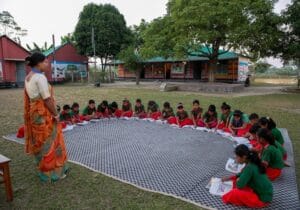
Pre-School/Class: A place where children have a happy, healthy and supportive environment and where little minds grow and big dreams begin.

Additional Support: Providing extra support to help students reach their goals and meet individual needs and foster academic growth. We are here to help them succeed!
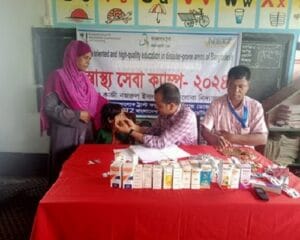
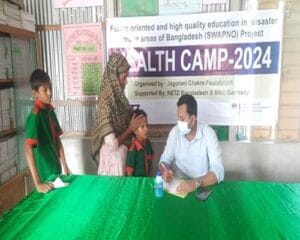
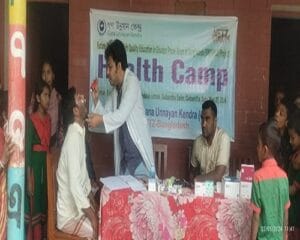
Health Camp: A day of care and connectivity; Health check-ups and medication are provided to the students, their siblings, families and school communities.

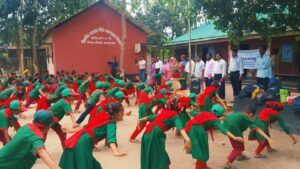
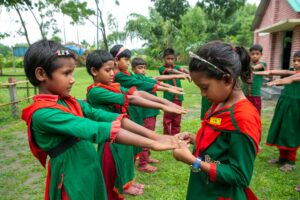
Disaster Preparedness: Readiness starts at school. Train today for safer tomorrow; build awareness to save lives; Prepared, not scared, our students learn how to stay safe during emergencies through comprehensive disaster preparedness drill.
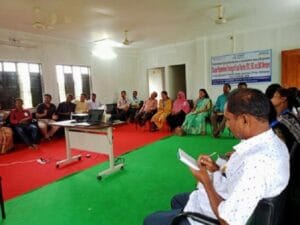
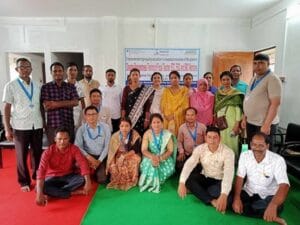
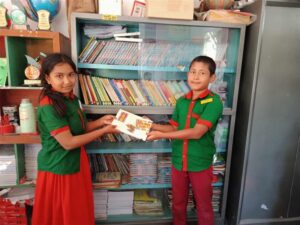
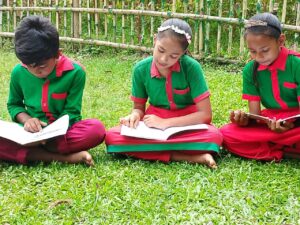
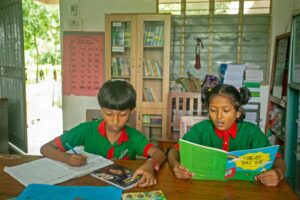
Library Activities: Each school has a well-equipped library. Students read regularly and can borrow books to take home. Weekly class time is included in the routine to strengthen reading skills.
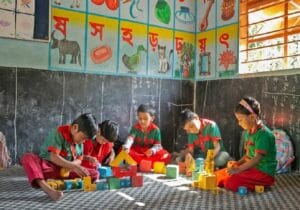
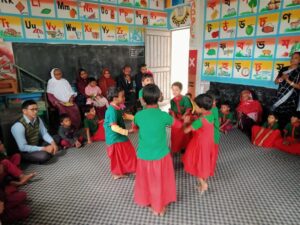
Child-Friendly Pre-Primary Classrooms: Classrooms are decorated with learning materials such as blocks, dolls, number and letter cards, and colorful visuals to encourage learning through play.
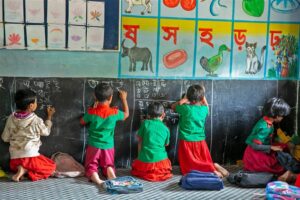
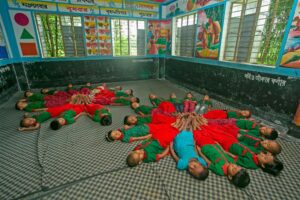
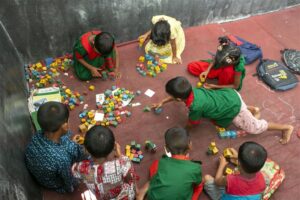
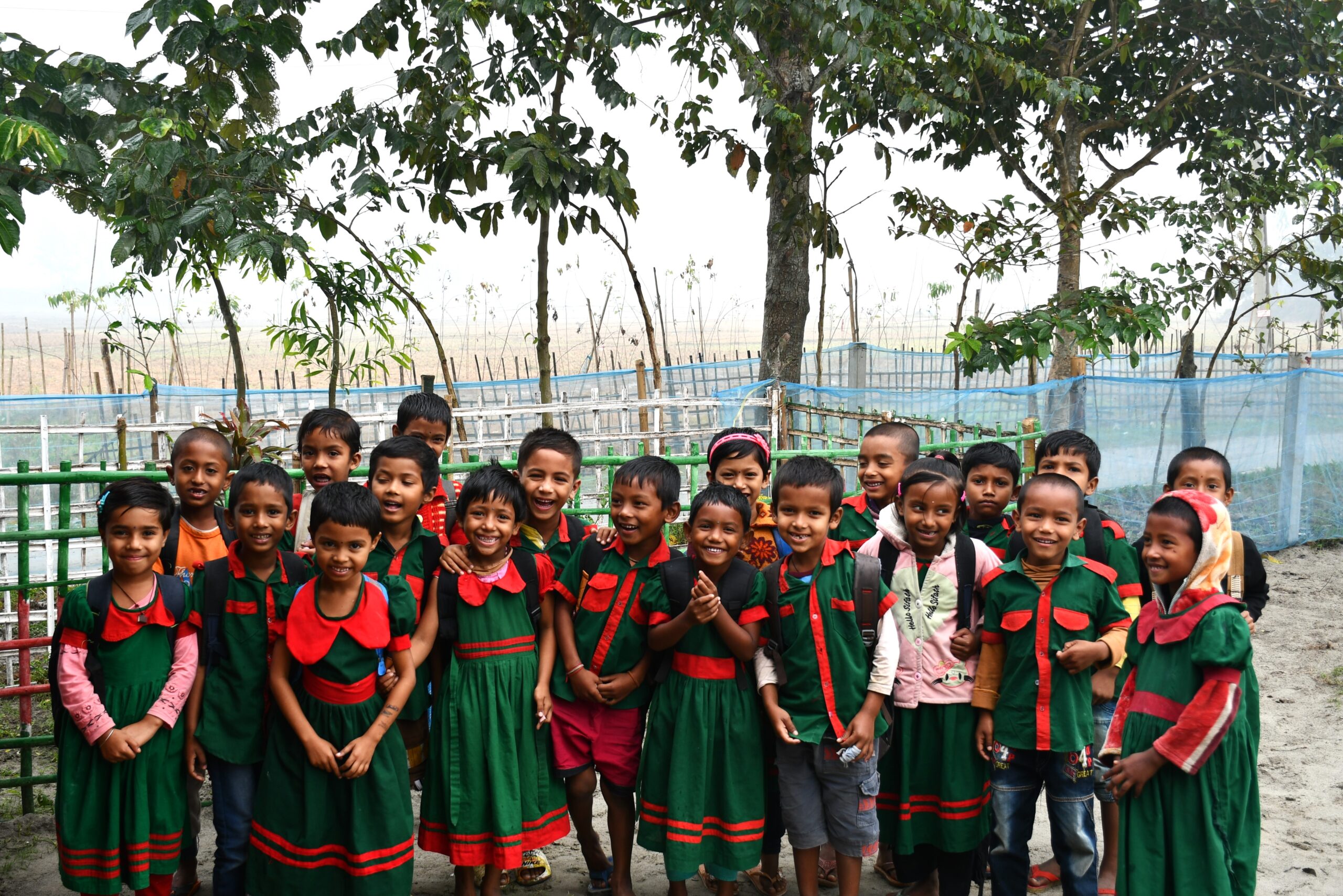
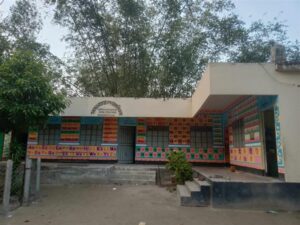
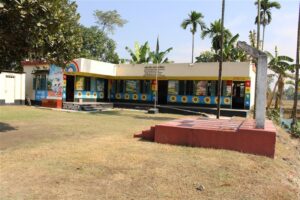
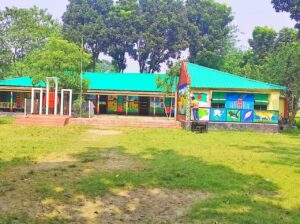
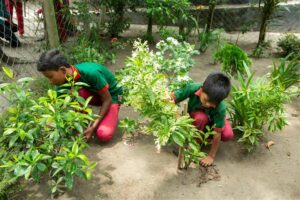
Attractive School Environment: Schools are developed as safe, inclusive, and engaging spaces with child-friendly infrastructure, school buildings are painted with colorful designs, and each school has a garden and playground to create a joyful learning environment.
Student Assessment: Formative assessment is practiced to track students’ learning progress after each lesson.
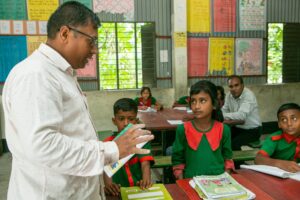
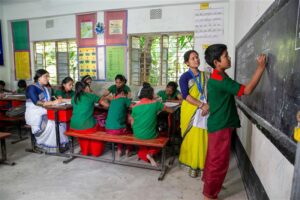
Exchange Visits: Teachers from government schools visit Anandalok Schools to facilitate knowledge sharing and replicate best practices.
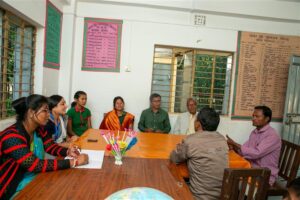
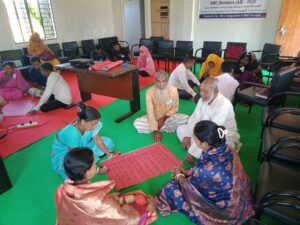
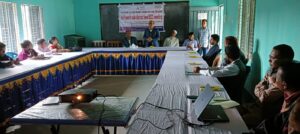
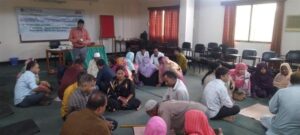
School Planning: School Management Committees (SMC) and Education Development Committees (EDC) prepare annual plans to operate school, improve education quality.
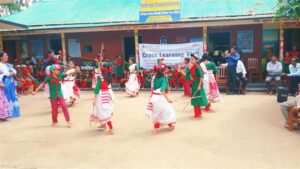
Day observance: Students actively participate in national events (e.g., Independence Day, Victory Day) at upazila and district levels and often achieve recognition.
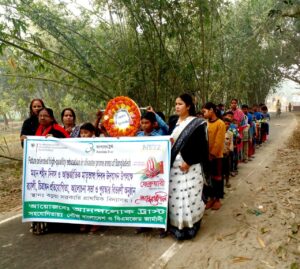
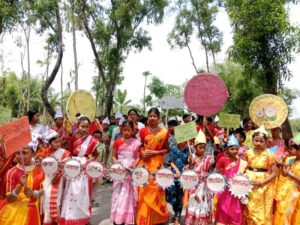
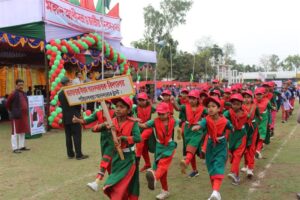
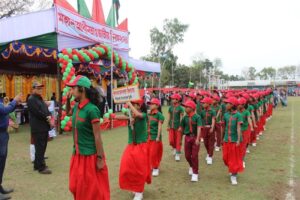
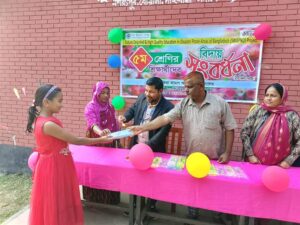
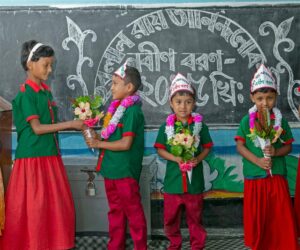
Welcoming & Farewell Events: New students are warmly welcomed, and graduating students are honored through farewell events.
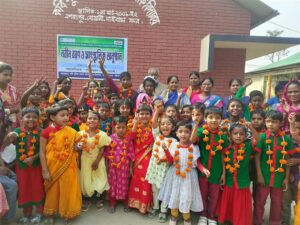
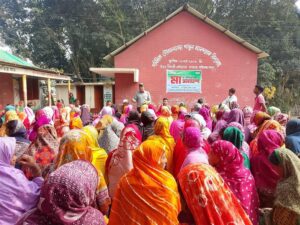
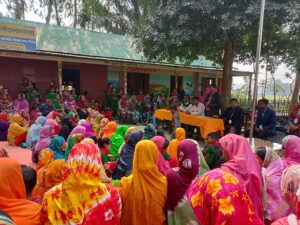
Parent Engagement: Regular parents meetings are held to discuss student progress and school activities.
Alumni Engagement: Each school has an alumni group that supports academic activities, organizing events and fundraising activities.
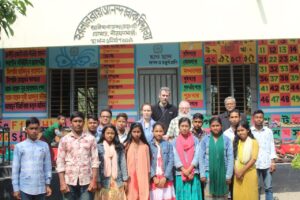
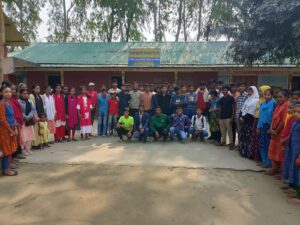
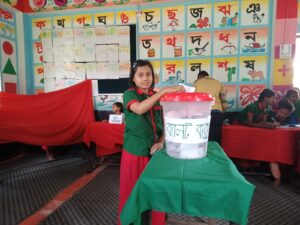
Student Taskforce: A student council elects 7 members who form a taskforce to support school development in different areas such as health, environment, sports and culture, water resources and others.
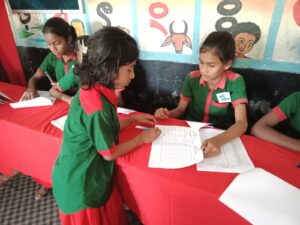
Local Government Collaboration: Union Parishad members regularly visit schools, attend meetings, and support education initiatives.
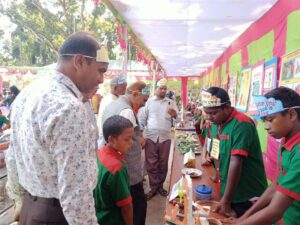
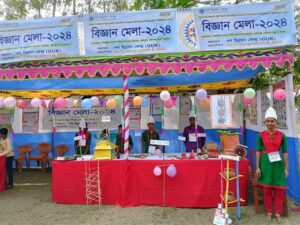
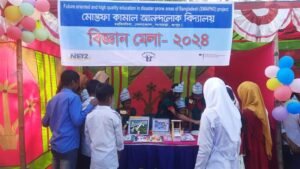
Science & film Activities: Science fairs and film festivals are organized to encourage creativity and community participation.
Community Monitoring: Parents and SMC members regularly visit schools and engage with teachers to ensure quality.