
Secondary School Enrollment of Girls
 Taposh Kumar Biswas
Secondary School Enrollment of Girls
Funded by: German Doctors
Duration: April 2023- March 2025
The objective of the Project: The project aims to improve the access to secondary schools for girls of remote areas and to decrease early marriage among the girls.
The Sustainable Development Goal of achieving quality education for all reconfirms the reality that education is one of the most powerful and proven vehicles for sustainable development. This goal expects that all girls and boys complete primary and secondary school by 2030. The programme areas have a very high number of child marriages. These are both a direct cause of school dropouts and a consequence of them. Bangladesh has the highest rate of child marriages in the world. Anandalok Trust is implementing and providing technical support of a project now that is working with 114 formal schools including 80 government schools and 34 Anandalok schools which have been full-fledged primary schools as well established in cooperation with the local community and NGOs, Anandalok Trust and NETZ. The initiative of the projects:
- The project will provide needs-based support, for enrolment fees for students from families living in poverty. Project staff along with school managing committee members also assist students’ parents in applying for government scholarships to secondary schools where they are eligible.
- Need-based support such as additional textbooks, school bags, and umbrellas will be provided by the project to smoothly contain their education.
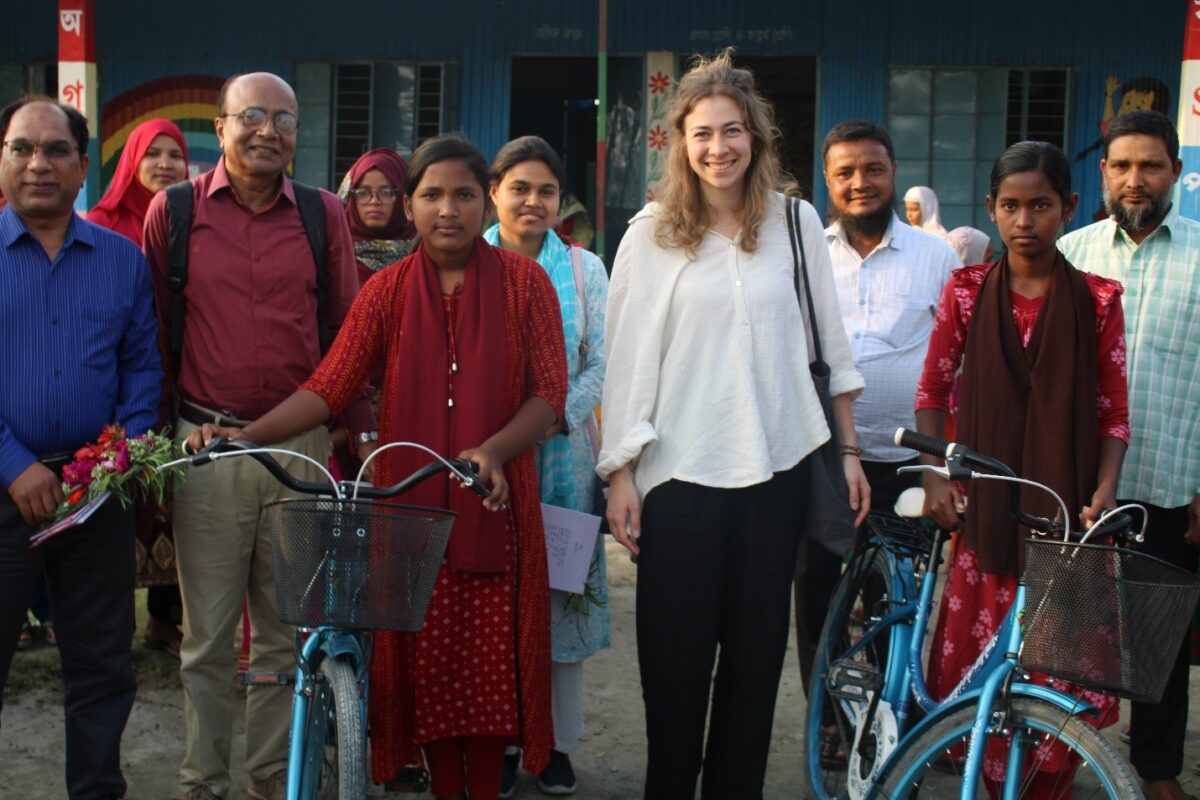
- Girls who live far from the schools (at least 1km), will be given by-cycle. Project staff and SMC will select girls for this support and will follow them up for the appropriate use of the bi-cycles.
- Project Best Practice and Impact: Empowering Girls & Reducing Child Marriage and Child LabourAt Anandalok Trust, we believe that empowering girls through education is one of the most effective ways to break the cycle of poverty, reduce child marriage and child labour, and build brighter futures for the next generation.With the support of German Doctors, our initiative is making meaningful strides in ensuring continued education for girls in rural and underserved areas of Bangladesh. Operating in 114 schools (34 Anandalok Schools and 80 Government Primary Schools), the project promotes secondary school enrollment and retention among girls while addressing deeply rooted social challenges.Project Objectives
- Increase enrollment and retention of girls in secondary schools
- Prevent child marriage and child labour through awareness and counseling
- Provide educational support and incentives to girls at risk of dropping out
- Engage communities, parents, and School Management Committees (SMCs) to foster sustainable change
Strategic Interventions
- Regular counseling for students (Grade IV and V) of Anandalok schools and govt. primary schools on the harmful effects of early marriage and child labour
- Community engagement through SMC and guardian meetings to promote the value of girls’ education
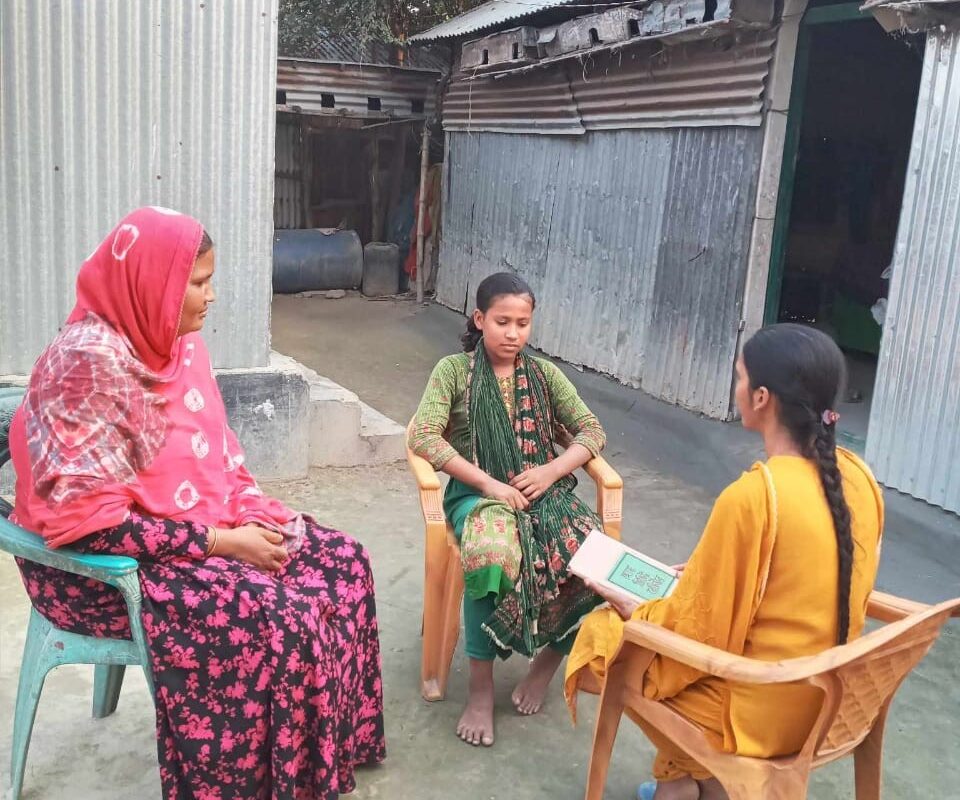
- Home visit to make awareness and student follow-up
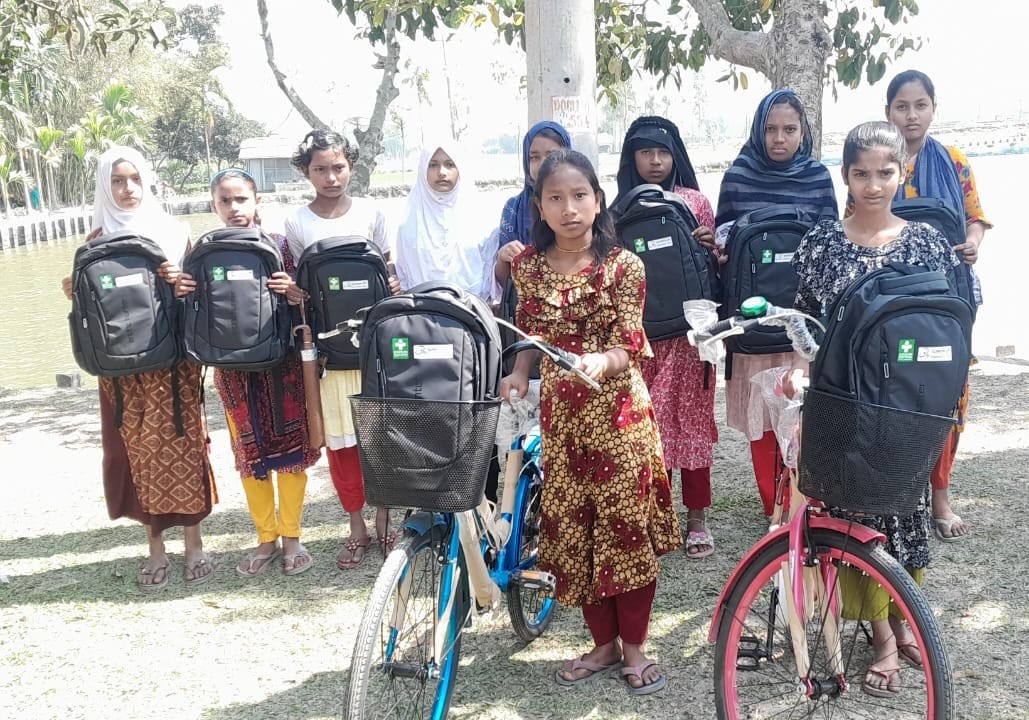
- Provision of school supplies and incentives such as bicycles, school bags, uniforms, and umbrellas, especially for students in remote areas
- Monitoring dropout risks and offering support based on socio-economic challenges
Project Impact
 100% of girls graduating from Anandalok Schools and supported Govt Primary Schools continued their education in secondary school
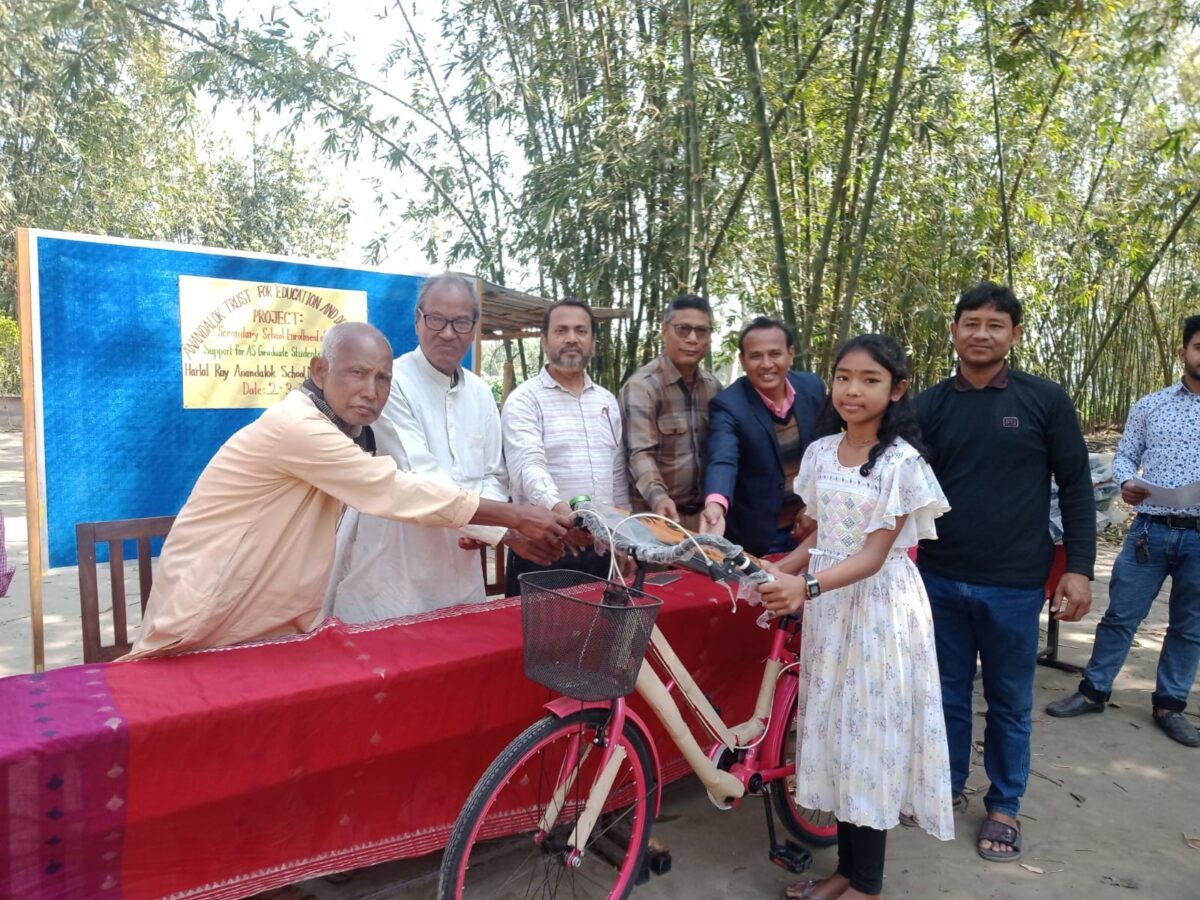
- 🚲 124 girls received Bi-cycle
 676 girls received school bags
 194 girls were provided with umbrellas
 135 financially disadvantaged girls received assistance to purchase uniforms
 215 girls received tuition fee support for three months based on academic challenges
 Distribution events attended by local representatives, guardians, SMCs, and education officers, ensuring transparency and community ownership
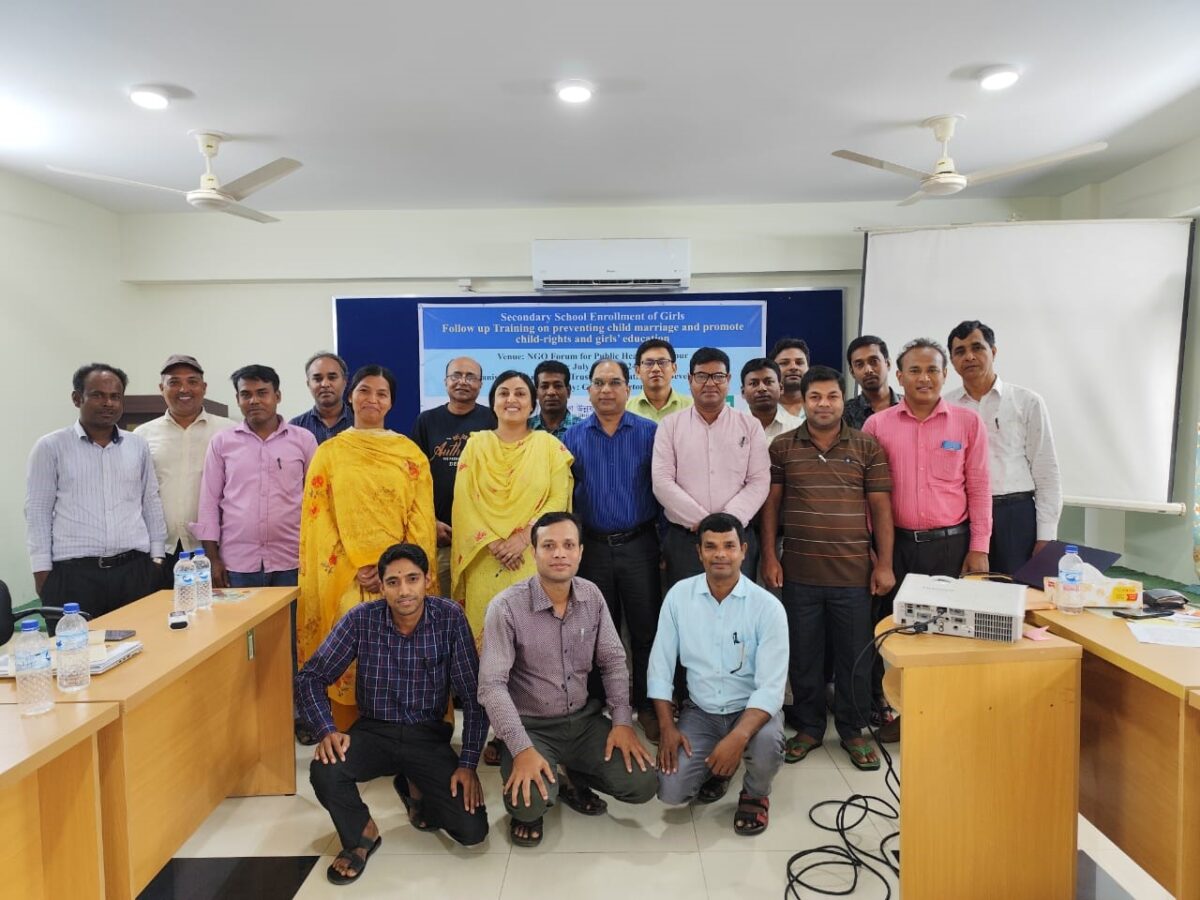
Success Stories
 Arifa Made a Comeback
Arifa Khatun, a bright student from Naik Zafar Ali Khan Anandalok School, faced the threat of early marriage right after completing class V. Despite her aspirations, social pressure and economic hardship led her parents to arrange her marriage. Thankfully, her teachers and SMC intervened swiftly. They counseled her parents, raised awareness about the legal and emotional impacts of child marriage, and helped re-enroll Arifa in school. Today, she is thriving in class VI, proving that timely intervention and support can change lives.
 Imran’s Journey Back to Education
Mohammad Imran Hossain, a student of Lalon Shah Anandalok School, had to leave school to work due to family poverty. He helped his father in the fields to support the family, sacrificing his education. Upon learning of his absence, school staff visited his home and convinced his parents of the long-term harm caused by child labour. Today, Imran is back in school,
attending classes regularly, and rediscovering his love for learning.